


By Dr. Brett Poniros, DC, CSCS
For most people, surgery is something to "get through." It is an obstacle standing between them and the life they want.
But what if instead of simply waiting for recovery to end, you used surgery as a pivotal moment to reset your health, your habits, and your long-term resilience? If you're still in the waiting period before your procedure, our companion piece, 3 Things to Do If You're Waiting for Surgery, covers what to do before you go under the knife.
At Apollo, we view surgery not as the end of the road — but as an opportunity.
While some parts of your recovery are outside your control, many factors are very much within it: your nutrition, your sleep, and how you approach movement. Dialing those in during recovery does not just speed up healing — it sets the stage for you to come back better than before.
Match calories to your activity level. Post-surgery, daily energy expenditure typically drops as activity decreases. If you continue eating as you did before, unnecessary weight gain can complicate your recovery. Reduce portions mindfully — this is not the time for aggressive caloric restriction, but awareness matters.
Prioritize protein. Healing requires amino acids, and maintaining muscle mass is harder when you are less active. A good rule of thumb is to eat more protein than you think you need, prioritizing a quality source at every meal, to support tissue repair and preserve what you have worked to build.
Keep meals nutrient-dense. Whole foods, fruits, vegetables, and omega-3-rich fats reduce inflammation and support recovery. This is exactly when your diet deserves your full attention.
Protect your sleep. Surgery is physiological stress, and sleep is your most powerful recovery tool. Think of it as your recovery multiplier. Consistent bedtime, minimal screen time before bed, and extra rest when your body asks for it — all of this accelerates the process.
The misconception that post-surgery means stopping all exercise is one of the most damaging ideas in rehabilitation. While you must respect the restrictions specific to your procedure, creative movement is one of the best tools available for protecting your overall health.
Pain and swelling are signals to respect, not to fear. Discuss with your provider what is appropriate in your specific situation and progress from there.
One of the most overlooked aspects of surgical recovery is who you choose to guide you.
Not all rehabilitation providers approach surgical recovery the same way. If your goal is to return to high-level activity, sport, or intense training, working with a provider who primarily sees sedentary post-operative patients will not serve you well.
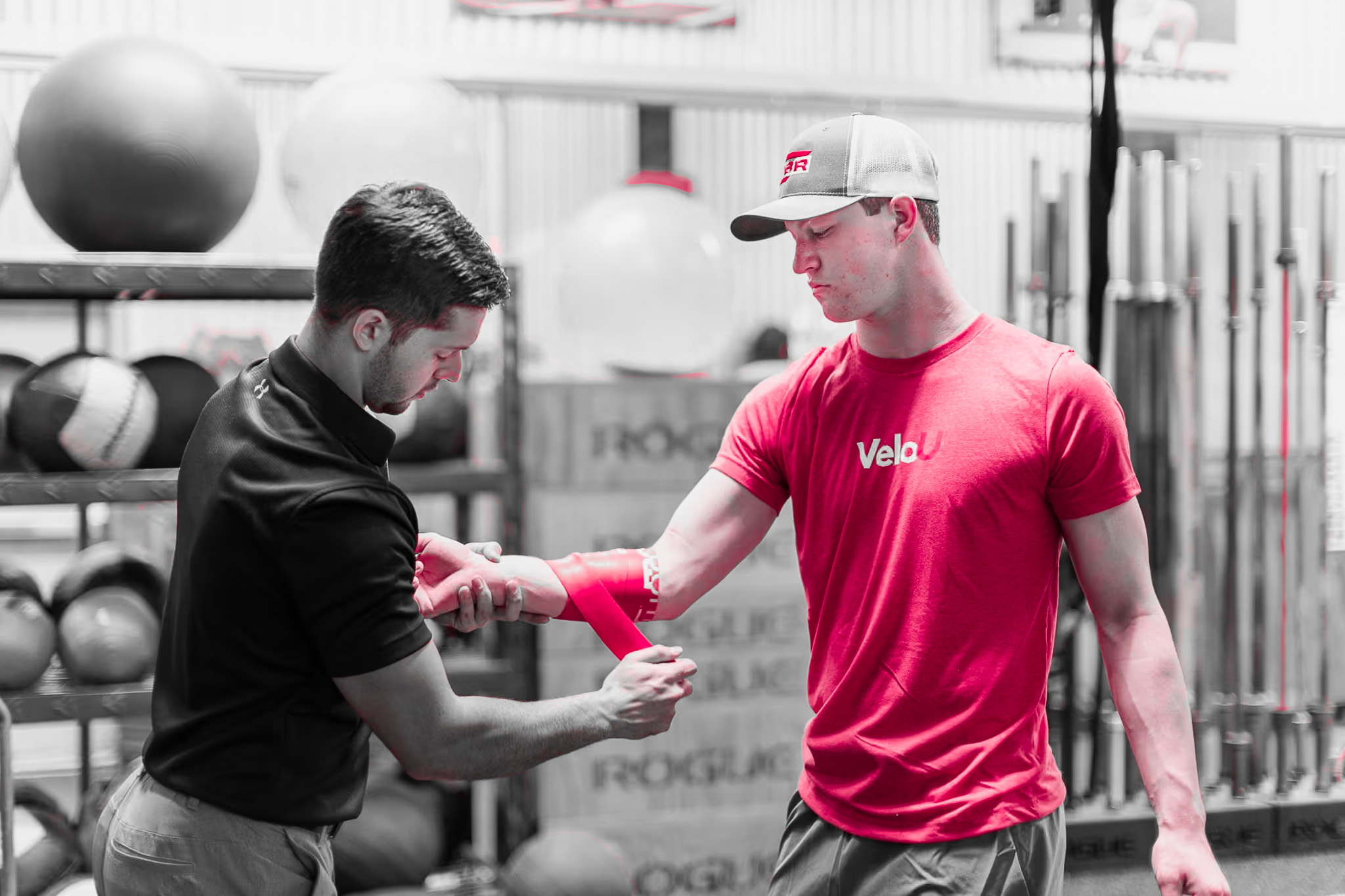
Look for a specialist who understands your goals and has the tools to support them. Techniques like blood flow restriction (BFR) training, progressive loading strategies, and performance-based programming can meaningfully support a faster, more confident return to activity — BFR in particular has been shown in a 2024 systematic review and meta-analysis to enhance strength recovery and reduce pain in early post-surgical rehab.[2]
By controlling your nutrition, protecting your sleep, moving creatively within your restrictions, and surrounding yourself with the right professionals — you give your body every possible advantage to heal quickly and fully.
More than that, you establish habits that will last long after recovery is complete.
Instead of waiting for surgery to be "over," use it as the moment you decide to take your health to the next level.
Dr. Brett Poniros, DC, CSCS is the founder of Apollo Performance Chiropractic & Training in Pleasantville, NY. He specializes in sports rehabilitation and performance for active adults and athletes.


