


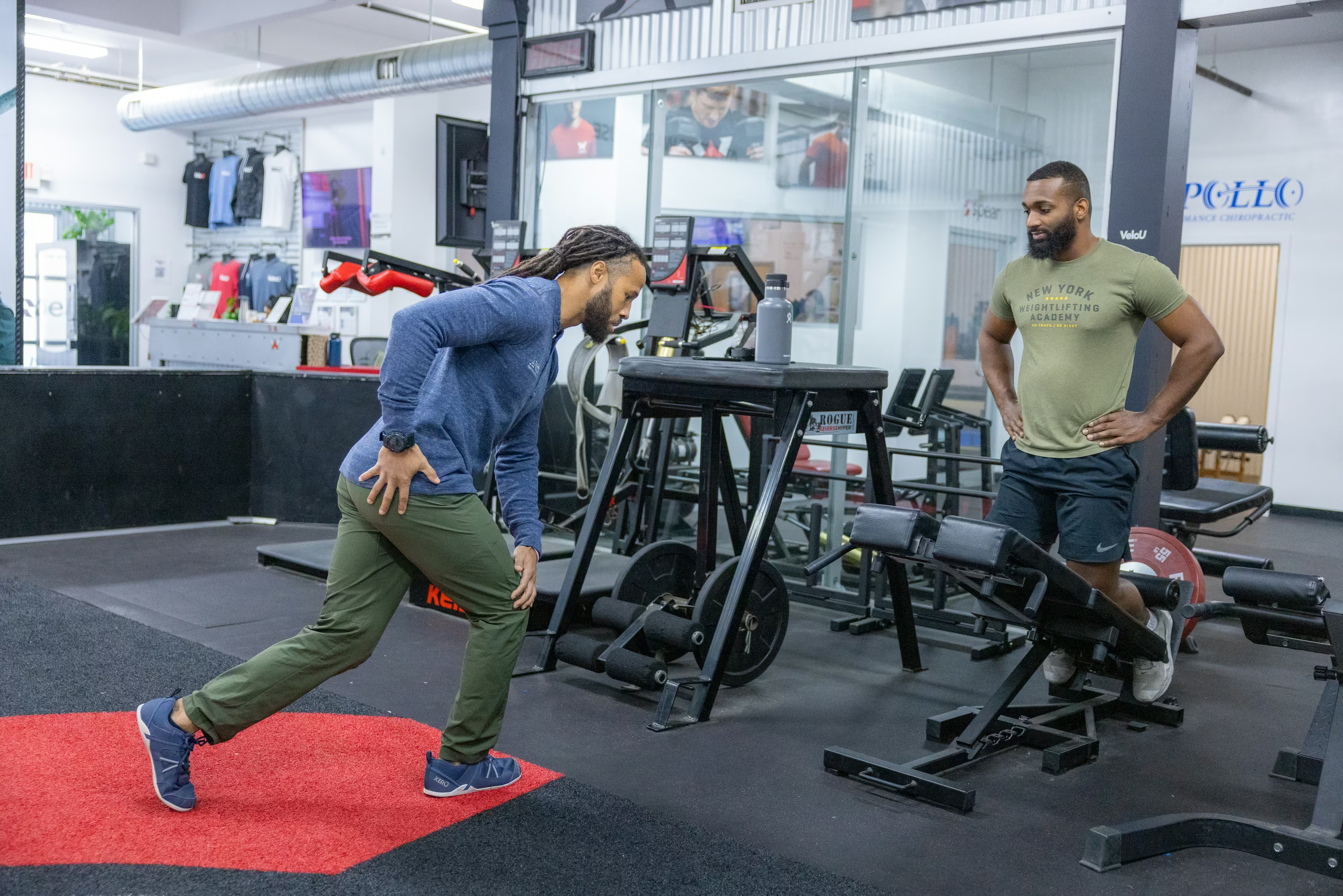
By Stephen Portee, MS, CSCS
If you've been consistent with your workouts but recently found yourself juggling new responsibilities, whether it's a demanding job, a growing family, or simply less free time, you're not alone.
Life shifts, and so do our routines. The good news is you don't have to give up on your fitness goals. You just have to adapt.
For a lot of active adults, working out used to be easy to prioritize: fewer obligations, more flexible time, easy access to a gym. But as you grow into your career, relationships, or parenthood, time feels a lot more limited.
Bottom line: you don't need to train like you did a decade ago to stay in shape or make progress — you just need to be intentional with the time you do have.
When you're short on time, organization becomes your best friend. If you usually train based on how you feel or decide what to do once you're in the gym, it's worth getting a little more structured. Having a clear plan written out before you walk in saves you a ton of time and mental energy: you know exactly what needs to get done, how many sets and reps, and can move efficiently through your session.
It also helps to keep a few backup exercises in mind. If the squat rack or a machine you need is taken, don't waste time waiting around. Have a plan B so you can keep moving. That flexibility is key when your window for training is tight.
The next step is figuring out which exercises truly matter and which are just the "nice to haves." When time is limited, focus on movements that give you the most return for your effort.
That means prioritizing compound lifts, squats, deadlifts, presses, rows, over isolation work like curls or leg extensions. Compound movements recruit more muscle groups and typically let you train at a higher intensity, which leads to better results in less time. We go into more depth on how to sequence a session for maximum return in How to Structure Your Workouts for Athleticism.
You don't need 90 minutes to get in a solid lift. With the right focus, a 30- to 45-minute session can be just as effective — sometimes even more so.
Maybe you used to train five or six days a week, but now that feels unrealistic. That's okay. Adjust your expectations and your training split.
A three-day full-body program might be more manageable right now, or short 20-minute circuits squeezed in at home between work calls and dinner prep. What matters most is consistency. The season of life you're in might not allow for two-hour gym sessions, but it does allow you to keep showing up, even in a different way than before.
Last but not least: be kind to yourself. Adjusting to a busier schedule doesn't mean you're slacking or failing. It means you're adapting.
Fitness is a lifelong pursuit, and it's normal for the way you train to evolve over time. What matters is that you stay committed to moving your body, even if it looks different than it did a year ago. If you're navigating a specific setback rather than just a busy season, it's worth a look at 4 Common Recovery Mistakes That Are Keeping You in Pain too.
Busy seasons come and go, but your commitment to movement doesn't have to. By staying organized, focusing on what matters most, and giving yourself permission to train differently, you can continue making progress without burning out.
Your workouts don't need to be perfect — they just need to be consistent. Keep showing up in the way that works for you right now, and trust that it's enough.
Stephen Portee, MS, CSCS is the Managing Partner and lead strength and conditioning coach at Apollo Performance Chiropractic & Training in Pleasantville, NY.


